Documents
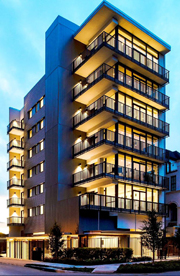
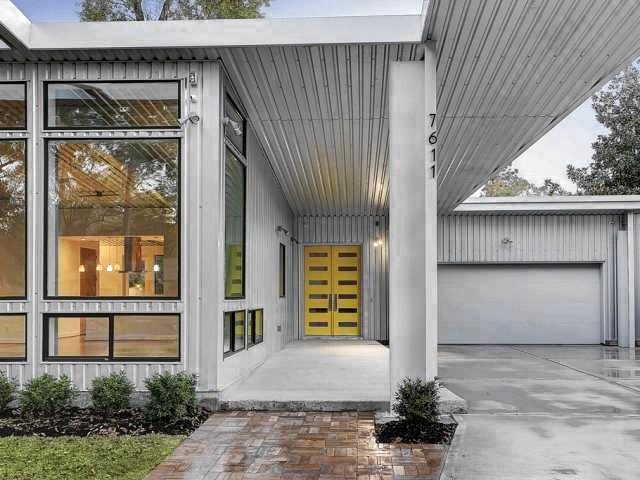
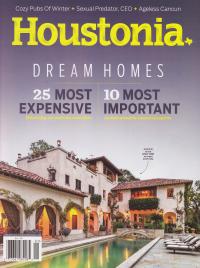
Dream Homes: Houston's Top 10 Houses, by John Nova Lomax & Michael Hardy, with Rusty Bienvenue, Barrie Bradley, Stephen Fox and James Evans (Houstonia, January 1, 2014).
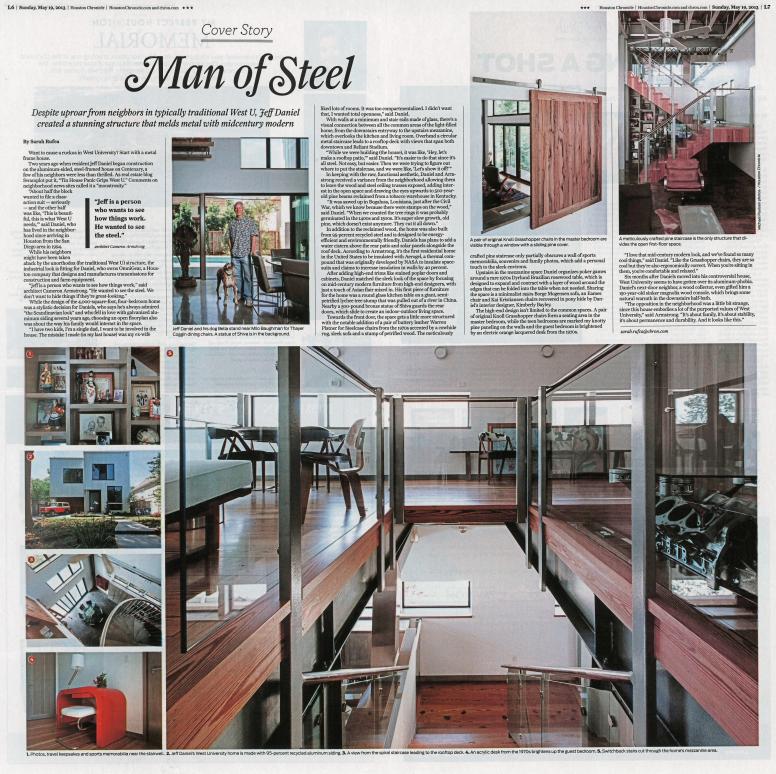
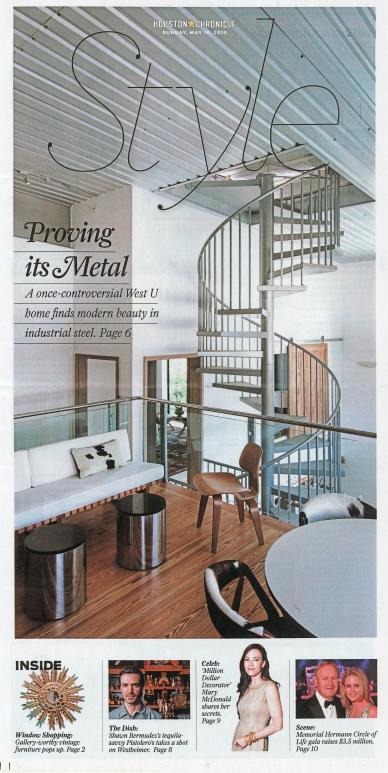
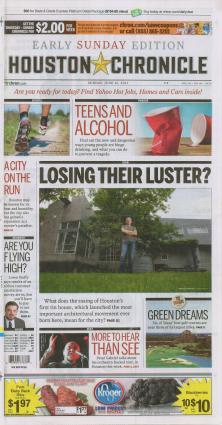
Man of Steel, by Sarah Rufka (Houston Chronicle, May 19, 2013).
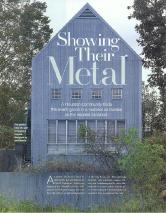
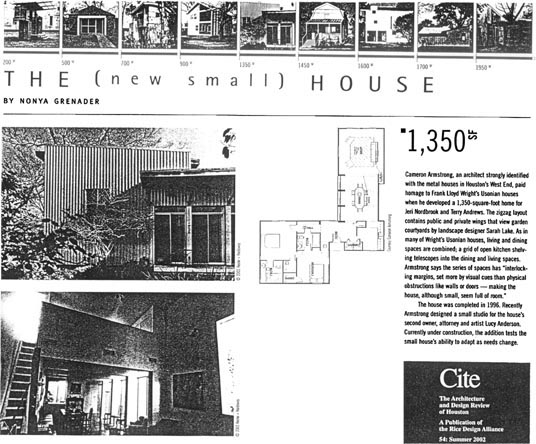
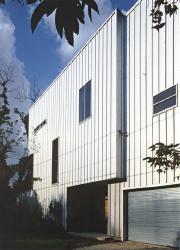
Saving the Tin Houses, by Lisa Gray (Houston Chronicle, June 9, 2011).
The Architecture Traveler: A Guide to 250 Key 20-Century American Buildings, by Sydney LeBlanc (W.W. Norton, 2000/2005).
From the archives: Ceremony and Habit, Cameron's 1985 Metropolis article on the work of furniture designer George Hunzinger (Metropolis, October 1985).
Interview with Cameron Armstrong, Chad Bowie and Alexandra Irvine, CANVAS: a conversation about Site/Work/S and the 18th International Sculpture Conference (CANVAS, Houston, 2000).
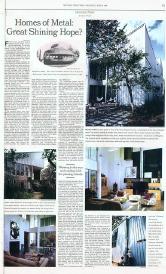
Homes of Metal: Great Shining Hope? by Donna Paul (New York Times, May 14, 1998).
Designs For Living With Art, with Rainey Knudsen, (CANVAS, Houston, 1998).
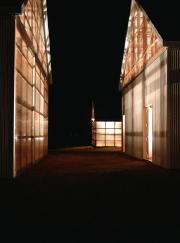
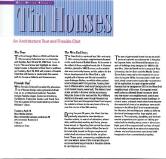
Excerpts from guide to 1994 Rice Design Alliance "Tin Houses" Tour, 1994.
Texts and Conversations
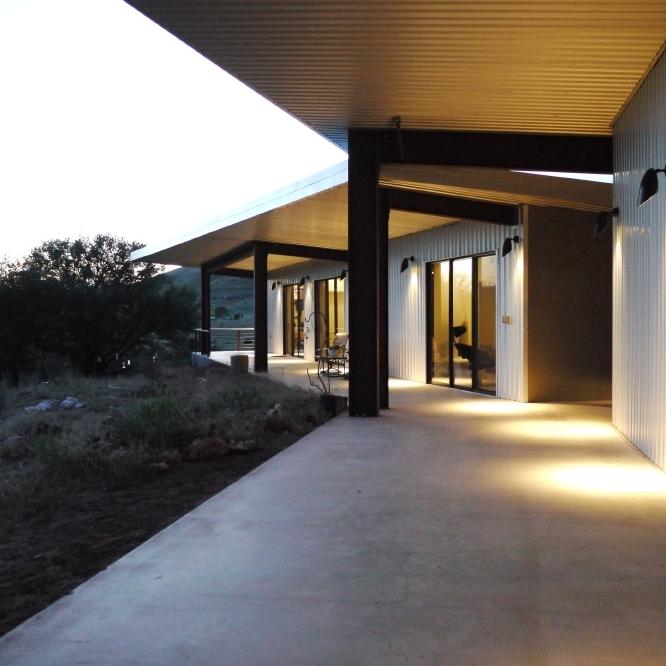
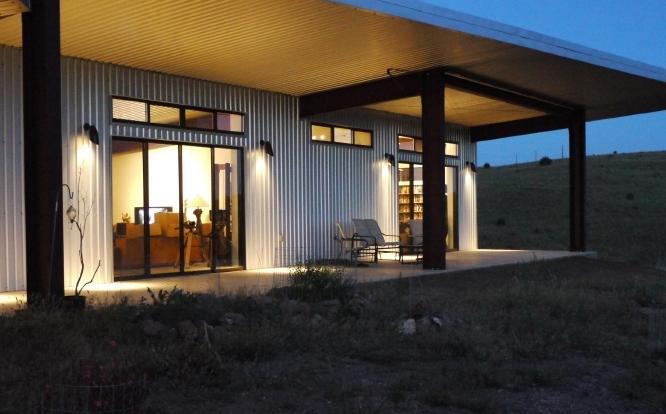
Cat-5: A house proof to 157+ mph winds, and floods greater than 60" above grade, or the Base Flood Elevation
"At Zero Remove:" a Conversation with Cameron Armstrong, by Stephanie Buhmann.
Why Steel?, a question about building technology (2011).
Current Practice, 2010: Big Change, a synopsis of current issues.
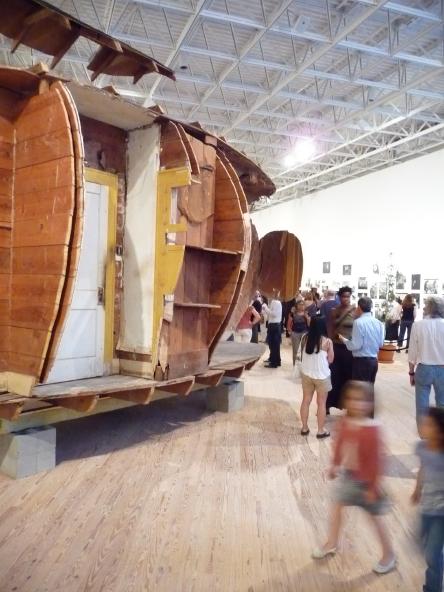
Un-Zoned: A Memoir, Cameron's catalog essay for the No Zoning exhibition at the Contemporary Arts Museum Houston (May-October 2009). Some pictures of the show are posted here.
Architecture in Real Time, by Cameron Armstrong (2008).
Current Practice, 2008: Many Voices, a synopsis of current issues.
Five Short Statements About Building Design, by Cameron Armstrong, a brief look at some important issues in building design (2004).
Open Practice: 2003, by Cameron Armstrong, a detailed review of CAA's open practice approach and its origins (2003).
Introduction to Site/Works/S, by Cameron Armstrong (2000).
Site/Work/S FORUM, with John Davidson (Moderator), Stephen Fox, Surpik Angelini, Tracy Hicks, The Art Guys and Cameron Armstrong, a conversation about monuments and cities (2000).
West End Diary, by Cameron Armstrong, the story of the metal houses and their context (1999).
Stealth Gardens, with Sarah Lake & Stephen Fox, a conversation about landscapes and gardens.